Just two months shy of their first wedding anniversary, William (30) and Lizzie (22) welcomed baby boy, William (Billy) Gillies Broadfoot, Jr. into the world on August 17, 1918 in Selma, North Carolina. By March of 1919, the family had moved to Wilmington and Broadfoot Iron Works was incorporated in March of 1919. Another son, Winston, was born on February 20, 1920. The family became socially active in the Wilmington area even hosting a fifth birthday party for Billy, which was reported by The Charlotte Observer on August 20, 1922.
William Broadfoot decided to try his luck in Atlanta, Georgia and moved the family down. On December 19, 1924 youngest son Shepard Bryan Broadfoot was born. By 1930, the family had moved back to Wilmington. 133 Forest Hills Drive became their home for the next many years. (Insert Pic of home)
Throughout childhood Billy attended Camp Carolina in Brevard, NC.
Billy attended New Hanover High School and Phillips Exeter Academy graduating in 1936. He then headed to The University of North Carolina at Chapel Hill for his college education. While at UNC-CH, Billy was on the wrestling team and lacrosse teams, he was the photography editor for The Yakety Yak, the school yearbook, and an active member of the fraternity Sigma Alpha Epsilon to name a few. He graduated from Carolina in 1941.
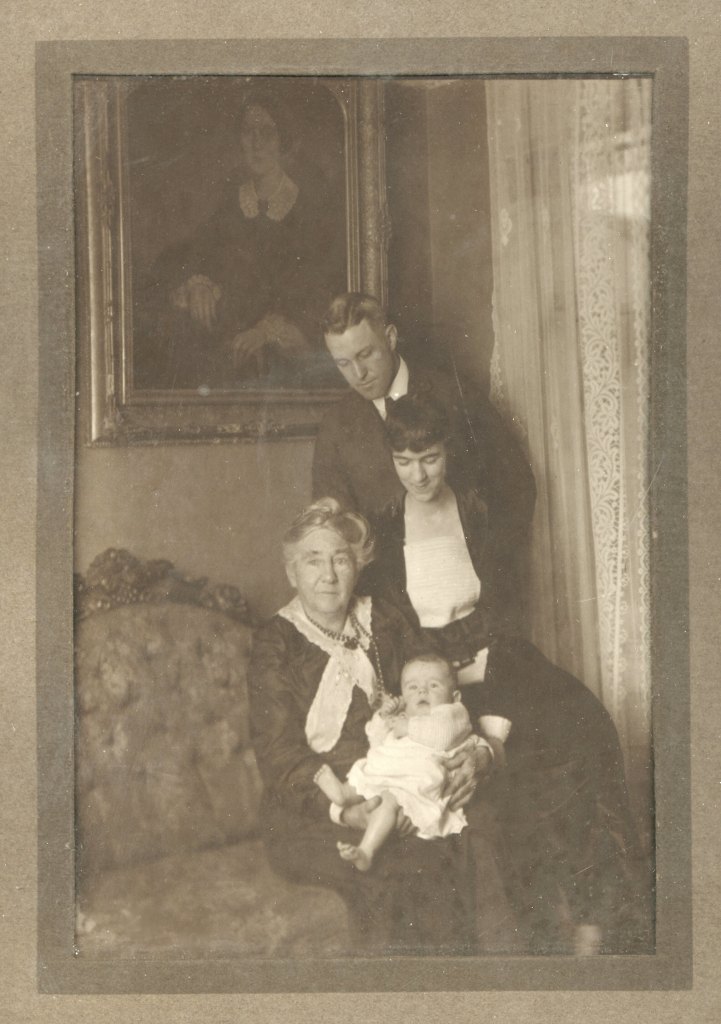
W.G. Broadfoot, Lizzie Broadfoot, Sarah Bryan Broadfoot, Baby W.G. Broadfoot, Jr. 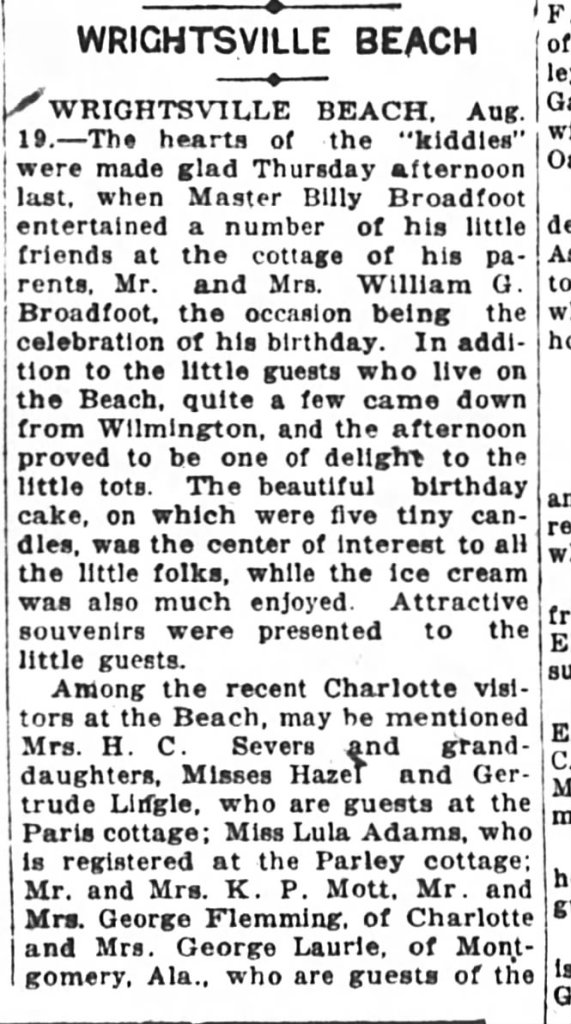
Billy’s 5th Birthday 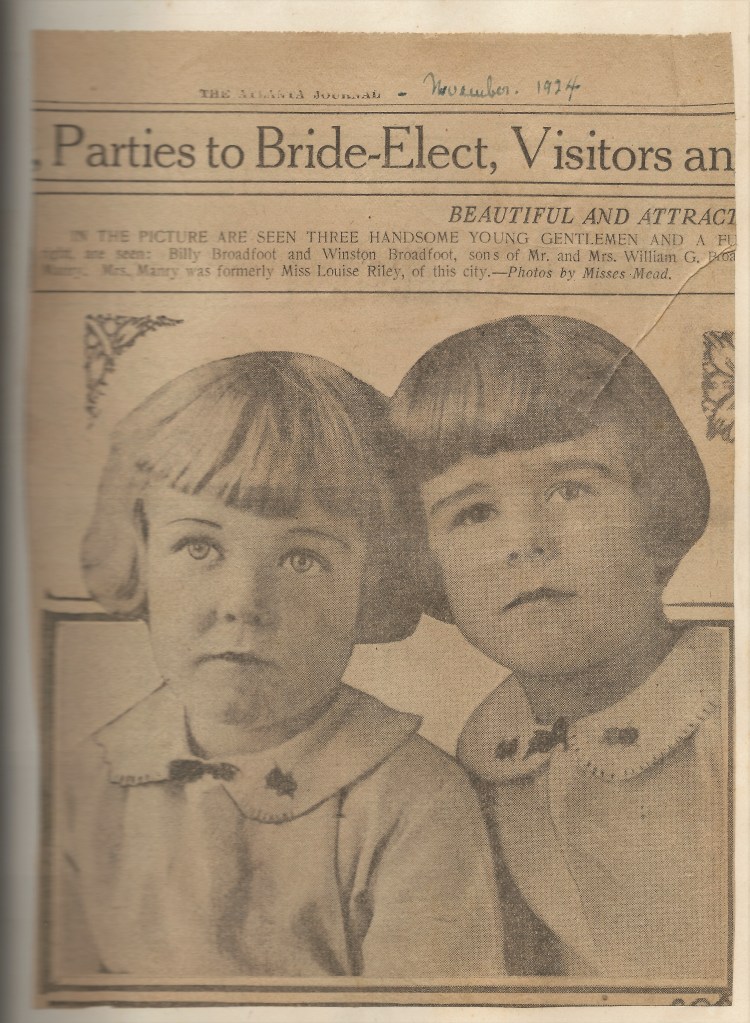
Young Winston and Billy 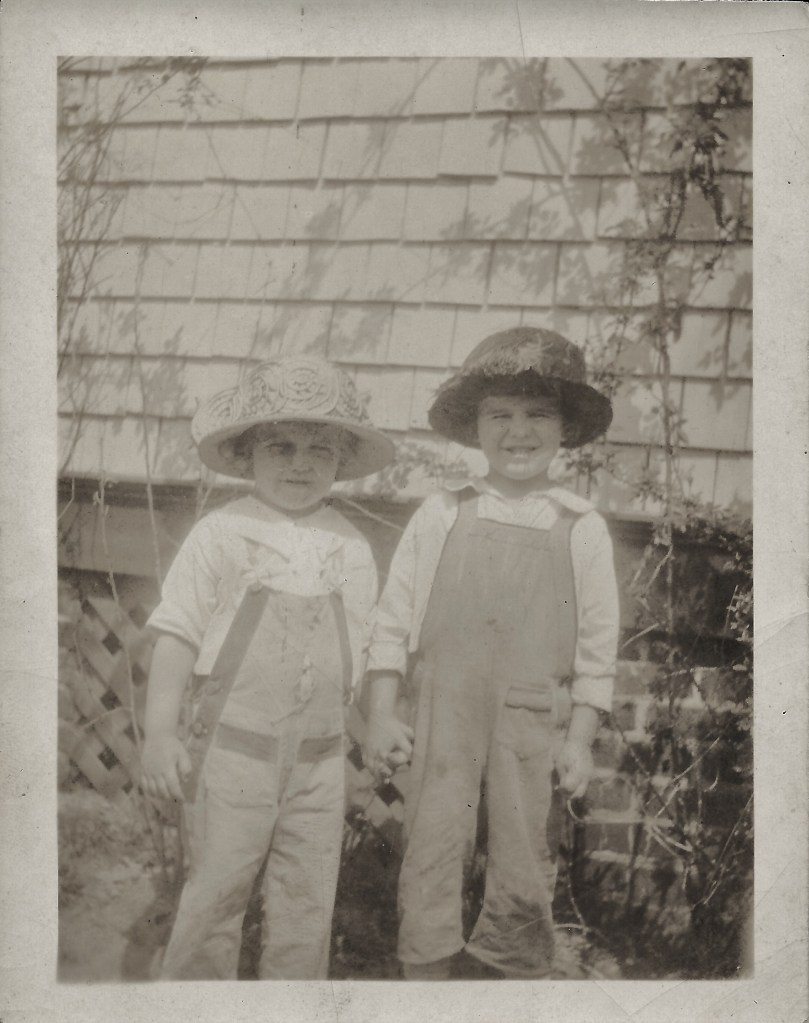
Winston and Billy 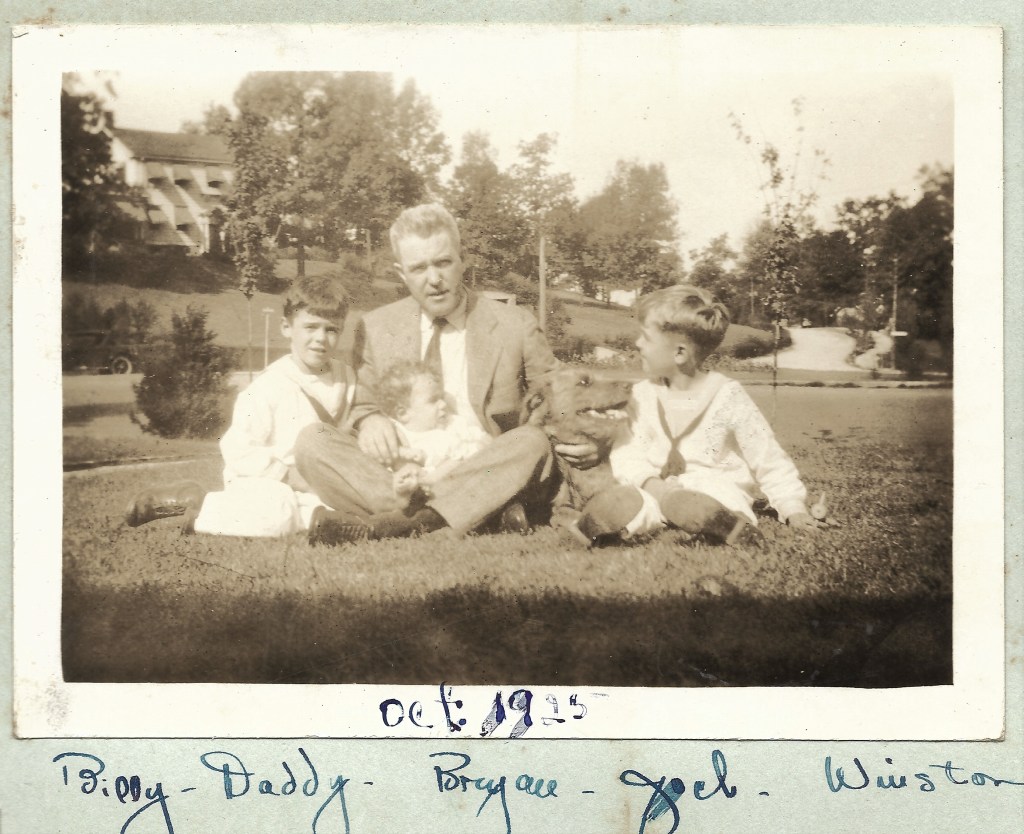
Billy, William holding Bryan, Jock, the dog, and Winston 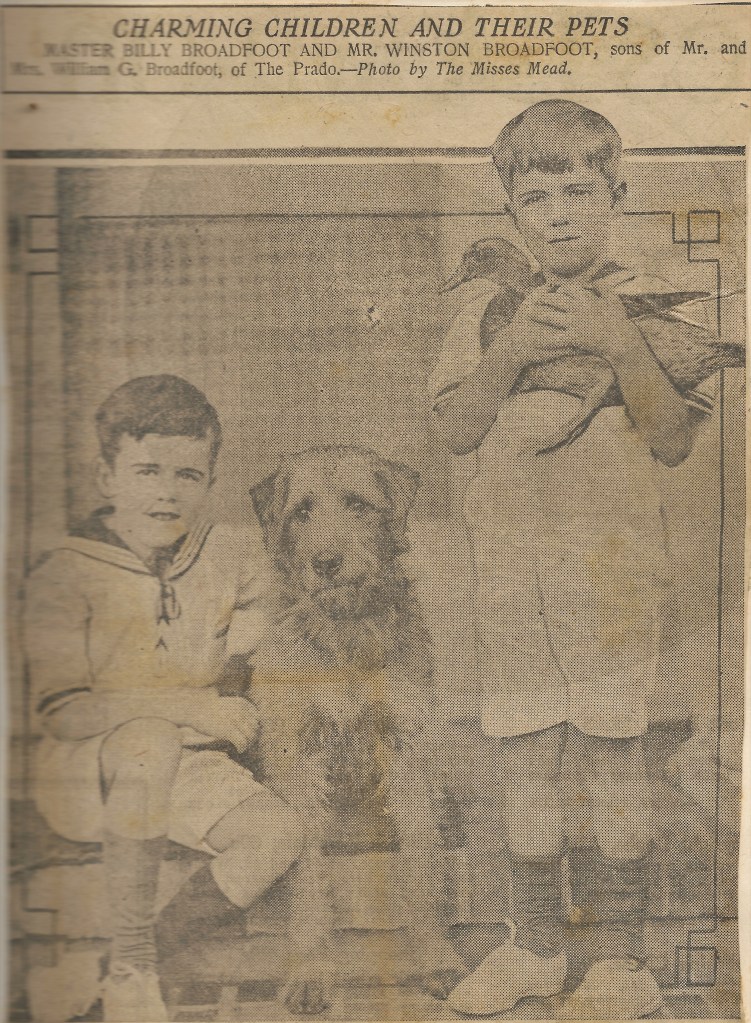
Billy and Winston with creatures 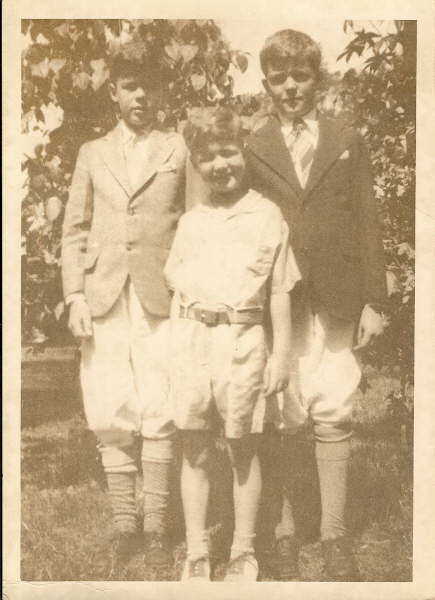
Broadfoot Boys 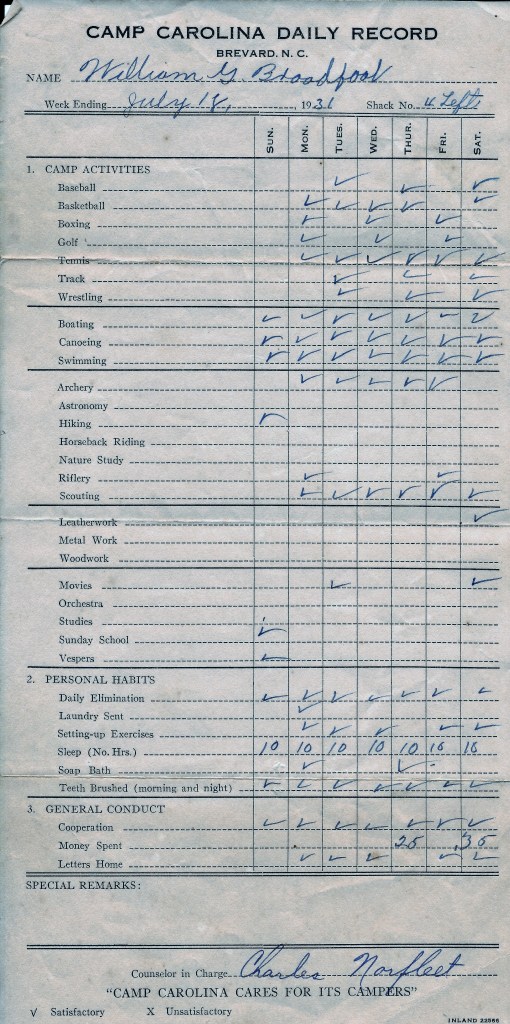
Billy’s report from Camp Carolina 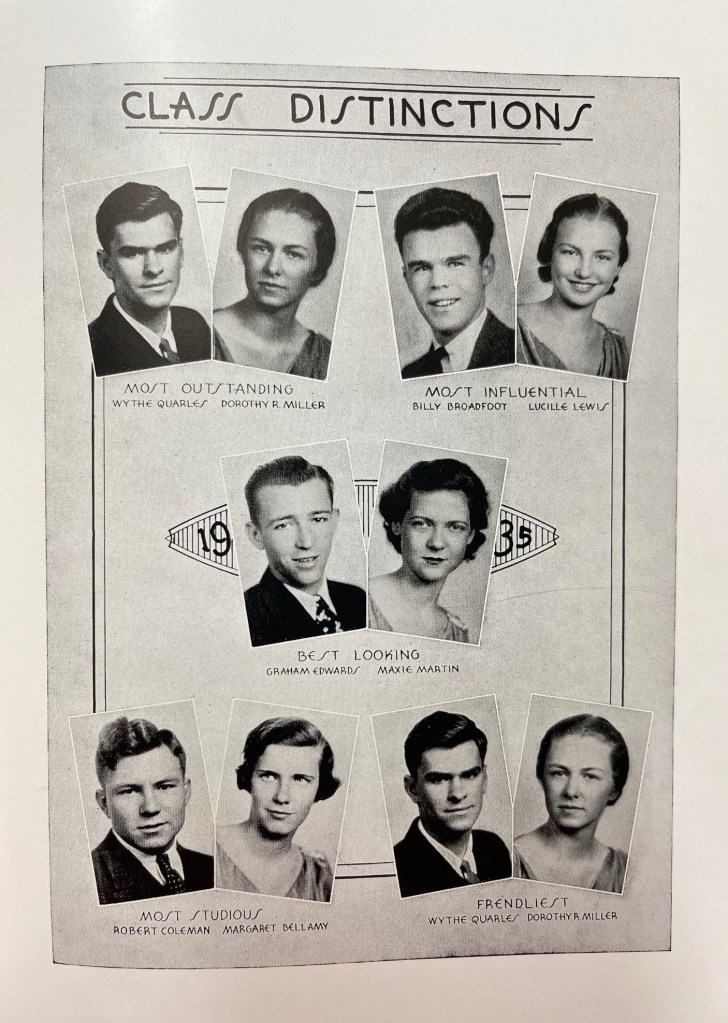
Billy’s New Hanover high school superlative 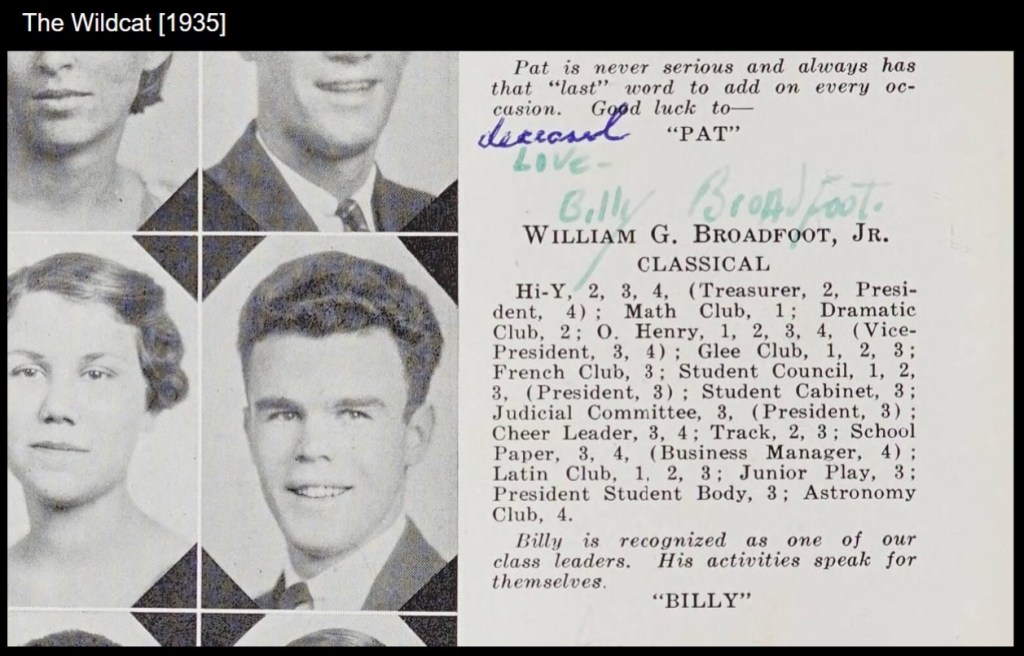
Billy’s senior high school picture and information 
Billy wrestling at Carolina 
Billy in UNC yearbook
William Gillies Broadfoot enlisted in the Army on December 29, 1941, in New York City, New York, during World War II. He was 23 years old.

By January of 1942, Billy was already in formal U.S. Army Air Corps training in Dothan. Alabama. Luckily, some of his letters from this time were saved and transcribed.
Advanced Flying School
U. S. Army Air Corps
Dothan, Alabama
1/6/42
Dear Folks,
Squads right, squad left, column left, column right, to the rear march, the dress is to the right mister, one, two, three four. Attention, parade rest, ‑‑ man, you’ve never seen so much marching in all your life. And the exercises they throw at us are relics of the Spanish Inquisition. But when they get through, we’ll be in powerful fine condition.
Tomorrow night they are throwing a dance for us out here at the field. They are bringing in 200 gals from no telling where. All the boys are pretty tickled about the set‑up. I know now, Mother, how much the boys at Camp Davis must have appreciated the work you have done out there for their dances.
This getting up at 5:30 is getting pretty boring. Actually we have to get up a little before 5:30 and assemble outside at 5:30. It’s usually all I can do to stick my feet in shoes, slip on pants and shirt, stick in my shirt tail, pull on the mackinaw and get out. The last two mornings I haven’t had a button buttoned ‑‑ the mackinaw hides all that. Anyway, it’s pitch dark and they can’t see whether you have on a necktie or not.
Here the field is a lot closer to the barracks than at Maxwell and we can see the planes take off and land all day long. British boys are at the controls usually with an American flier leading the formation as instructor.
I’m having to send my camera home. The instruction book is with it so you‑all read up on it and take pictures if you want to.
Everyone’s in bed ‑‑ guess I’d better close.
Love,
Billy
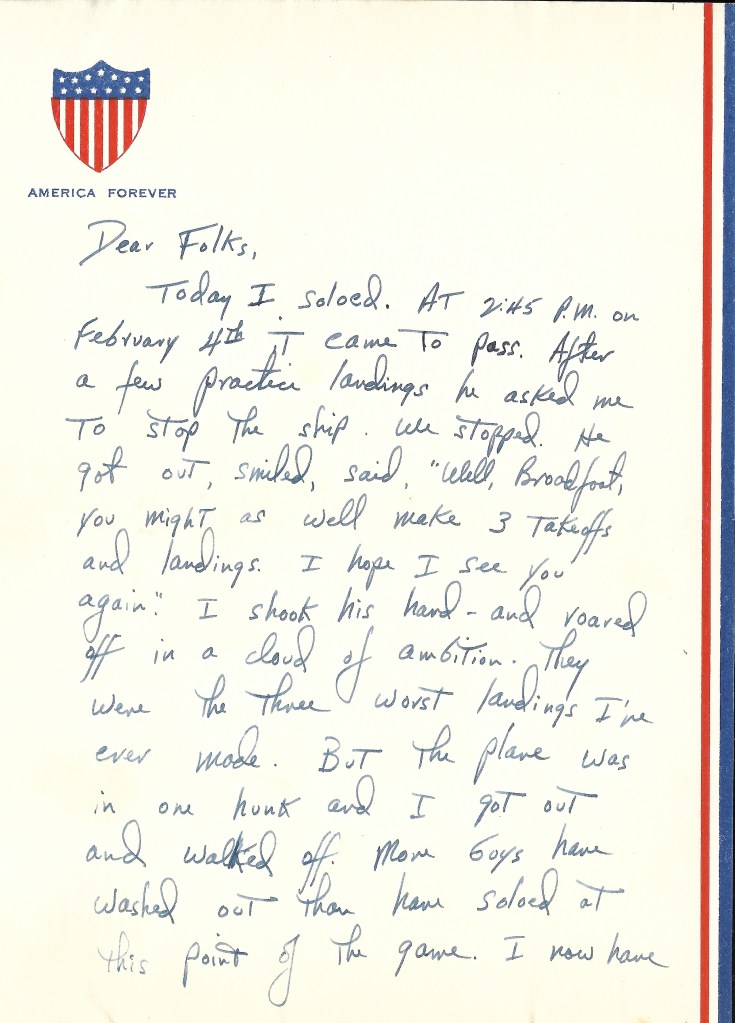
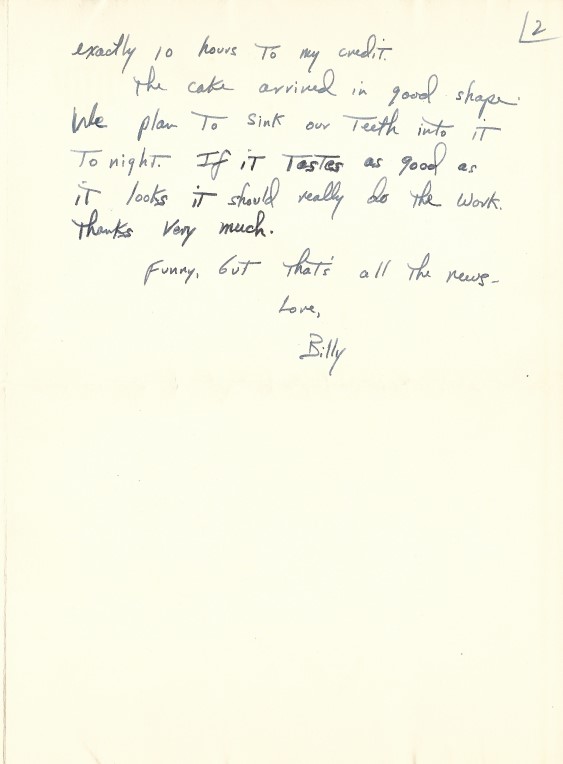
Postmarked Montgomery, Ala. May 13,1942
Basic Flying School (etc.)
Dear Folks,
First off, it looks as though it will be the middle of this coming week before we get off. However, I’ll let you all know as soon as I find out.
Had a rather exciting incident the other day. I was up with another cadet observing while he flew instruments under the hood. Soon something began to smell besides our flying. I told DuBois to come from under the hood. We started to let down; at about thesame time smoke began to come from behind the front instrument panel. I called in for them to clear the field for an emergency landing. By the time I had the thing on the ground, smoke was pouring out so’s you could hardly see the instruments. It turned out that the booster coil had burned out ‑- which was nothing. But it was fun.
Yesterday afternoon we flew down to Dothan on a cross country, ate dinner at the field, flew back that night. We landed at the municipal airport there. Got there o.k., but coming back was different. We flew the light line back. You are supposed to fly to the right of the light beacons. That’s o.k., but I flew so far to the right that I missed Montgomery, missed it completely. After I realized that I was off somewhere, I kept on flying. Knowing the lights would lead to a field somewhere. Finally a city came into view. I found the airport, started circling and letting down. I knew that I could call them on my Army frequency, but didn’t know their frequency to receive them on. I called in twice and asked them to cut on their runway lights. Nothing came on so I decided they didn’t have any. There were a row of little lights around the edge of the field ‑‑ that’s all. When I had gotten down to about 1000 ft. above sea level, a tree whipped past one wing, a little below it. It gave me the first good sweat I’d had in years. After that, I crossed my fingers, cut the gun, and headed into a field that didn’t look bigger the closer it got. I taxied over to the apron. A coupla fellows came running up, told me the place was Birmingham, that the field was 600 and some feet above sea level, had a hill on one side a coupla hundred feet high. They had called me on every frequency they could think of to tell me to stop parting the shrubbery on that hill. I got a coke, had the ship gassed, notified Gunter, another of our ships came in, together we left got safely back ‑‑ meek as mice at having flown past our own field. DuBois didn’t have that much luck. He also flew past and on into upper Alabama. Down to 15 gals. of gas, he found a lighted highway, buzzed it several times. Two alert officers cleared the road, stopped traffic; DuBois headed in to land on the highway. Now in one place three highway lights were out. Opposite them was a clump of trees close to the road. DuBois plowed through them, nosed on down across the highway and into a ditch. The plane ‑- gone. DuBois ‑‑ just a little scratched. Ho hum.
Last weekend I met several attractive young couples, went to the country club for a dance. It was an enjoyable time.
Love and good night,
Billy
P. S. Send Erdene a present for me please. Phil McDuffie is getting
married to a Virginia girl. I’d like to send them something. I’ll
send you the card.
Postmarked Dothan, Ala. June 5, 1942
Air Corps Advanced Flying School
Napier Field
Dothan, Alabama
Dear Folks,
Good ole Dothan. The field and grounds have been improved since last January ‑ but the weather continues as ever. It has rained off and on day and night ever since we arrived ‑ with flights sandwiched in between the squalls. The more we see of the AT‑6, the more we like it. So far we are still just flying around, and shooting landings to accustom ourselves to the ship, and the cockpit procedures. Our ground school work so far has been limited to going down to the flight line in mechanics coveralls and learning something about the inside workings of the ship. The idea is not working out so well; most of us just disappear around the nearest plane and snooze in the sun for the two hours.
Last Saturday, on open post, 6 of us drove into Dothan together, had a steak apiece, took in the movie. We had to be back here at 12:00 P.M. Sunday 5 of us drove down to Panama City and spent the day on the Gulf. Haunted by the cadets’ eternal problem of packing a week’s fun into one day, we damn near drowned each other splashing and ducking and carrying on. What with all this, plus bowling and shooting the rifles, we were a pretty pooped lot coming back. Two other cars full of our cadets had gone down. We all met there; everyone had such a fine time that we plan to go back this weekend ‑on Saturday ‑ and stay over until late Sunday.
Mary Bason’s address is Apt. 10‑C, 51 5th Ave., New York City.
There are five girls there together ‑ Mary, Frannie Dyckman, Lyn Somebody, and 2 others. To quote from Mary’s last letter, “The last vestige of a man is disappearing into the Army.” Tell George by all means to look them up. They are very informal and would be delighted to have him come around. It won’t be a proposition of his having to spend a pot full of money on them because they just don’t care for that. By all means insist that he get in touch with them. Mary is as attractive a little whipper‑snapper as you will ever find; Frannie is equally as attractive, if more reserved.
So Bryan is trying to prove he is worth something. It is an interesting experiment, but I doubt if he lasts long in any worthwhile capacity. He will have a hard time coming up to the standards of his brothers.
There’s not much news.
Love,
Billy
Postmarked Bridgeport, Conn. Aug. 29, 1942
Magazine photos of P‑47 and write‑up enclosed
Dear Folks,
A lot has been happening since last I sat down to drop a line.
But first: the cards arrived from Tiffany’s and are really quite a swanky addition. Thank you very much. And the book also arrived though I haven’t had time to read it yet. Coronet has carried a few quotes from it however, and they were ridiculous. The proofs have not yet arrived.
We finally hit a streak of not‑so‑smoggy weather at Windsor Locks and finished up our time there. When we returned to Bridgeport we found that all of the squadrons had been shaken up. Several of us are now in the 88th Fighter Squadron and will go to Farmingdale, L.I. around the first of September. None of us remained with the 61st. I hate not being one of the first to fight the P‑47 ‑ but now I’ll have time to learn more about tactical work. The 88th will not go over any time soon. I’ll send you the new address as soon as I get it.
Out of our group of 10 that came up from Napier ‑ 4 have crashed the 47 ‑ none injured seriously. I don’t get it ‑ but I ain’t talking.
I was able to spend a coupla days in New York earlier this week. Went out and spent one afternoon with Martha and Bill. Betsy was there at the time. She has plenty of sense, could be attractive, but needs a firm hand ‑ definitely. I went into the 42nd St. offices of PAA and was surprised at the number of the “old gang” who were still there. Also went around to Apt. 10‑C, 51 5th Ave. to see Mary Bason and the rest of that crew. One of them is more attractive than I would care to admit in spite of her being from New Joisey. She cooked me a steak the other night ‑‑ must have been an experiment. Anyway, you could tell it was steak. If you can send the ham this week, send it to Apt. 10‑C, 51 5th Ave., N. Y.C. Better not put anybody’s name on the outside, huh?
Do you know that I am yet to send out any wash? Nope, not since Napier Field. I’ve plenty of everything but socks ‑ have had to buy them. We haven’t been anywhere long enough to send out soiled clothes and know we’d get them back.
Pop, is the car being changed to my name? I got an A ration book the other day. That’s not too much gas, is it? I may have to get a B in Farmingdale. It hasn’t been bad, though; I haven’t used up a tank of gas since arriving. It’s really handy, though, since we’re about 7 miles from downtown Bridgeport and the Railroad Station, and there’s practically no other way to get in.
I’m buying a war bond a month and sending them home for safekeeping. May have a few additional expenses by the time they mature. Better deposit my rent checks in the bank. No, I’m not considering getting hitched.
Love,
Billy
Postmarked Charleston, S. C. May 4, 1943
Dear Folks,
This is to let you know, principally, of a change in address. Yes, Junior’s moving again. After a month of making money faster than we could spend it, the “advance party” is leaving tomorrow on the noon plane for LaGuardia. It has been a good stay in spite of not being able to get home more often. We are going to Kilmer, at New Brunswick N.J. Until we have been “processed” we will be held incommunicado. This may last for 36 hours, or 5 days. There is no telling now just how long that confinement will last. While there, our address will be:
Lt. . . . . . . . Jr. ‑ 0‑790857
88th Fighter Sq.
APO #3969
c/o Postmaster
N.Y., N.Y.
I don’t know now whether this APO will hold after we sail or not. The .45 revolvers should be sent there.
Tonight we are throwing an old‑time mint julep party in the dining room of the Carolina Inn. The officers from this office will be there with their wives or anything else that they can find. There will be 17 of us in all – with Lemons in charge of the mixings.
Will try and call you tonight. This is mainly to record the new address ‑ and say hello by ink and paper.
By the way, the little man from Fayetteville that knew pop (and is now in the next office) is named Morrow and is missing his right thumb.
Love,
Billy
Billy ended up in India and frequently wrote home about his experiences.
Postmarked U.S.Army Postal Service, Oct. 8, 1943
Letter dated Oct. 7th
Somewhere in India
Dear Folks,
First off the bat, don’t forget the change in APO. The new number is 629. Everything addressed to 3769 will continue to arrive ‑ but 629 will facilitate delivery.
I don’t see Rabbit any more. A few of us are staying in a former tea planters cottage ‑ right in the middle of a large tea plantation. We have two bearers working for us (in addition to sweepers, cooks, etc.) that are real cards. The boys have been attempting to teach them a little earthy English, but they have trouble with certain letters. One of them, Etwa,, has learned the first few lines to “Give me one dozen roses” and will sing upon request ‑ grinning from ear to ear. Mogaung, the other, is not quite so talented. I have discarded my canvas cot for a native bed, made by weaving cane on an oblong frame. Two quilts take the place of a mattress. I took over a former pantry, with huge window, for my room, have painted the shelves with a dark stain, red trimmings, a white bed table with red trimmings. I have a white Indian rug with colored flowers coming with the rest of my junk. Our living room is upstairs and is rapidly whipping into shape. No. 1 article here is the victrola ‑ a hand wind Victor that cost us $100.00 ‑ to give you an idea of prices on imported stuff. The records from you all haven’t started to arrive yet.
Our dining room is a screened porch downstairs. The food. Ah, the food! This will be bad for civilian morale, I know. We all chip in quite a bit to supplement our rations; the cook is excellent; this is the result: Breakfast is usually small, since we eat it at 4:00 A.M. about 1/2 the time, and consists of fruit juice, coffee, and either omelet, or eggs, or hot cakes, with bacon. Luncheon is better ‑ meat, with no less than 5 vegetables, panie, or chow‑panie, or nimbo‑panie (water or tea or lemonade), chow‑chow, bread and jam, and dessert. Dinner, at dark, is the real dilly. It is the only meal we all have together. First, we have a soup course, then a fish course ‑ with chips, then meat ‑ usually roast duck (or an equivalent dish) with fried onions, 6‑8 vegetables, drinks, dessert. No matter what the dessert is – pie, fruit, cake ‑ the cook always serves the same sauce ‑ a yellowish egg‑vanilla affair ‑ that is amazingly cosmopolitan and really goes with all those desserts. And, of course, there are tea and cake in the afternoon, hot chocolate in the morning. You must write Winston for me (2 of my letters evidently failed to reach him) and ask him why in the devil he joined the navy. The heat is pretty terrific here at times, also, and until the monsoon is over everything will be nice and mossy, (matches so damp that they won’t strike), and the mosquitoes so thick and persistent they make Buena Vista a paradise ‑ but, I’m definitely not losing weight and have had only one fever ‑ fairly high ‑ which I shook before the doc could even identify it.
Right now I’m listening to Grieg’s Concerto in A Minor. We “inherited” the 3 records of it from a previous group. It is a fair recording of an excellent piece. If you haven’t it, by all means get yourself a set.
I have received the box with Hershey bar, rabbits foot (which is now in my watch pocket), tooth brushes, and the roll of film. I promptly went out and celebrated by taking a picture of the cottage. As soon as we can find a place to do the developing, I have a new set of about 18 pictures to send to you.
Yesterday I drove a truck through the mud and goo to the Red Cross to pick up a ping pong table for the enlisted men’s basha. They have 12 “girls” working this area ‑ mostly British. We gave one of them a ride back to their cottage, had tea, invited them over to meet the boys last night. You would have gotten a big kick out of our entertainment. You see, we have no ice fit for human consumption ‑ in fact, we have no ice at all. We have been drinking our beer warm (it’s really pretty good that way). But last night I had no beer, only a jug of native gin. There was a white label on the thing that said “Gin”. The bottler made no other claims. The drink itself was the best to be had locally. Pour gin into the cup, add water. It’s not cold, but it’ll do. The gin I think I told you about. Emrick and I bought a case of it en route, had 8 bottles swiped en route. That’s one bootlegging expedition that will never pay dividends.
The Reader’s Digest you sent arrived ‑ and was completely read in one day of waiting. Those New Yorkers are also the real McCoy. That mag really has something. Should have caught up on my bridge work today, but missed out.
Rabbit has the Culbertson book but should send it over by one of the next planes.
Mother, I think that you are amazing. You are literally doing a helluva lot more than I towards cleaning up this mess ‑ no fooling. That day room sounds really hot. Those guys will probably never realize how lucky that they are. But I do.
Love to you all
Billy
October 29, 1943
India
“Dear Mother and Daddy,
“ Lou wrote and asked me a question which, at first, seemed rather odd and amusing; but, on second thought, was a natural one. Since you have undoubtedly wondered the same thing, I should probably answer your unasked question: ‘What does it feel like the first time up for the real McKoy?: So far, in a way, I have neither lost my shirt tail nor hung antlers over the hearth; but, I haven’t been picking my teeth either, so‑‑‑. The whole. thing is rather disappointing. It’s sorta like just before going out to wrestle, or play lacrosse, except less so. Actually I feel kindred to the dime store clerk popping gum and asking: “Issat all?” Of course there are certain aspects of the situation that I can’t exactly lose sight of, but they seem to make no difference-‑too far in the background to detract from the picture. Now I’ll probably go out and get my B.V.D.’s shot off. Actually, the best part, by far, of the whole show is the gorgeous country. You’ve never seen such country in all your life. Great massive green peaks impudently thrusting their snow‑spilt summits at the heavens‑‑‑then, abruptly, a serene little valley quietly holding her own in the midst of this masculine brawn. Flying high above all, we see a very fine crooked brown line, meandering laboriously, evidencing man’s own insignificant effort to thrust into the might of God.
Outside of the cottage, just across the road (and a very bumpy road, indeed) the natives are pruning the tea bushes. The bushes are planted slap‑dab, one against the other, so that one moves with difficulty between them. The workers are both men and women, but do not mix. That is, they do not mix during working hours. However., at the edge of the fields is ample evidence that bridge and the movies are yet to take over India’s night life. The women bring their youngest kids with them to the fields. Those too young to walk are transported in a very unique fashion. The ones not yet weaned are slung around front, in a halter, where they lap up the sunshine and a little readily available nourishment as they jog along. I imagine this practice ceases with the first tooth, if not sooner. The Kiddo is then shifted to the rumble seat. Here, he, she or it, rides pick‑a‑back. A halter about 6 ft. long is passed around the Kiddo’s back and under the bottom (quite bare), making a sort of seat. This halter is then brought over the shoulders, crossed between them and tied down at her sides. However, when working time comes, if the mother has more than one Kiddo, the younger is strapped to the back of the elder. It’s funny because sometimes the Kiddos are enough of one size to make it rather difficult to decide whom to strap on whom. This morning I took several snap shots of the whole process.
“The trouble now is that we cannot find anywhere to get our films developed and printed.
“The nights continue cool, the days very warm ‑‑‑and when you receive this Cornelia should be a mother or nearly ‘bout. Give her my love, best wishes, and tell her to start spanking ‘em young.”
Love,
Billy

Billy Broadfoot’s war accolades 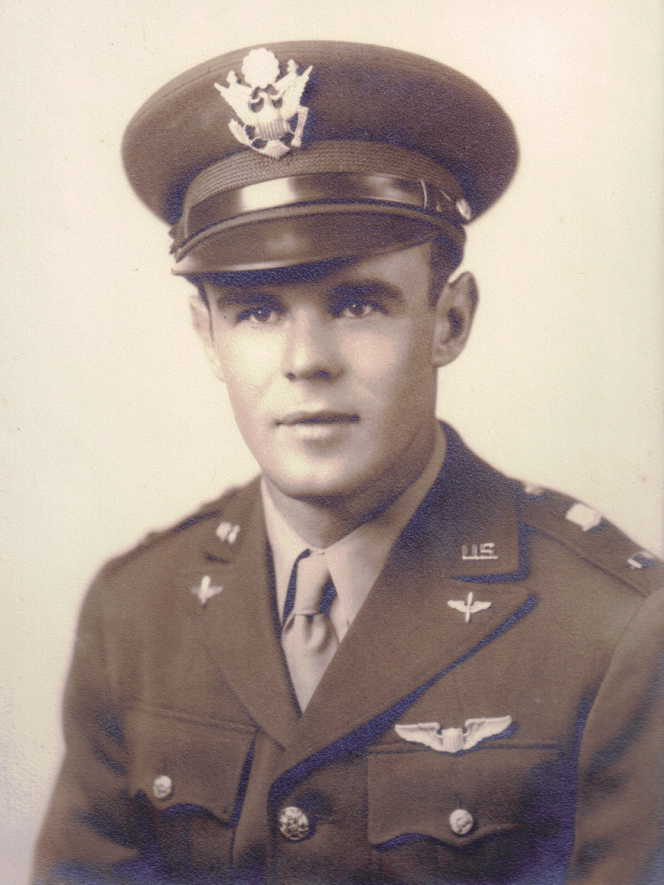
William Gillies Broadfoot, Jr.
Local Wilmington writer and World War II expert, Wilbur Jones wrote a synopsis of Billy’s time in Burma/India.
“Capt. William G. “Billy” Broadfoot, Jr., USAAF
P-38 and P-40 pilot
459th Fighter Squadron, Burma/India, late 1943 to February 1945.
Broadfoot flew the twin-engine fighter out of Chittagong and Rumkhapalong, India, from late 1943 to February 1945. The 459th, mostly under British command, maintained 20 pilots, but lost 30 in combat. Most of his 125 combat missions were over Burma. His four P-38 machines each bore the nickname “Hell’s Belles.” “I had gotten good at what I was doing,” he said. “I knew where all the ack-ack nests were. I didn’t want to go back to the states.” This determination was emphatic in a May 1944 letter to his parents about requesting to remain. “First, I know that I shouldn’t be going home. I haven’t even hit my stride….Second, you don’t jump off a sure-fire winner in the middle of the race. This is the hottest squadron in combat….Each time you come back you havemore reason to go back again, usually a grudge against some guy that came too close.”
The “Twin Dragon” squadron’s history book recorded a number of Boradfoot-led missions, including the March 17, 1944 mission of 12 planes escorting B-24 bombers to Chauk and Lanywa oil installations. On April 15, “[He] indicated 450 mph on his way down [to target], and the other pilots stuck close to his tail. With the stick in his lap, he whizzed across the field, guns blazing, and was rewarded with seeing an Oscar in flames.” The book concluded, “It has been many years now, almost a lifetime….There seems to be a lingering sentiment that brings on
seasons with rains that fell unabated for weeks…of showers made of 55-gallon drums filled with rainwater or by bearers with water from nearby brackish polluted ponds; and of mosquito nets hung over wooden-framed cots strung with tough hemp rope, the nets to be drawn religiously each night to prevent that scourge of malaria which almost grounded a squadron….
“Members of the ‘single-engine club’ [home on one] will never forget their special experiences, particularly Broadfoot who had three…from air battles deep in enemy territory….During squadron reunions when they gather to fight the Burma Campaign once again, the realize that they, particularly the pilots, were bonded forevermore during the greatest adventure of their young lives.’
The toughest Japanese fighter Broadfoot faced was the Tojo (built like the P-47). “One day I will never forget. I was flying along and there dead ahead of me was a Tojo headed for me. I maneuvered out of the way, and saw it was a P-47 with a Tojo on his tail. The Japs were good airmen, but not as well trained as our pilots” by then, One day on patrol his flight came across a formation of single-engine planes painted all black. After maneuvering and gunfire, no hits were confirmed, and both sides broke off. “We looked for them when we went out, but never saw them again.”
He received the Silver Star (“for gallantry in action on fighter raids deep in enemy-held territory in Burma”), Distinguished Flying Cross, Air Medal, and the British DFC (“for his leadership in America air attacks against the Japanese”).”

Billy in uniform
Billy returned to Wilmington from war at the sometime at the end of February beginning of March, 1945. Shortly after returning, Billy and Mary met and by April 1, 1945 they were married. Mary goes into greater detail of the relationship in her story. Based of what Frances remembers, “My dad proposed to my mother in front of a shoe repair shop in Chapel Hill!!!”

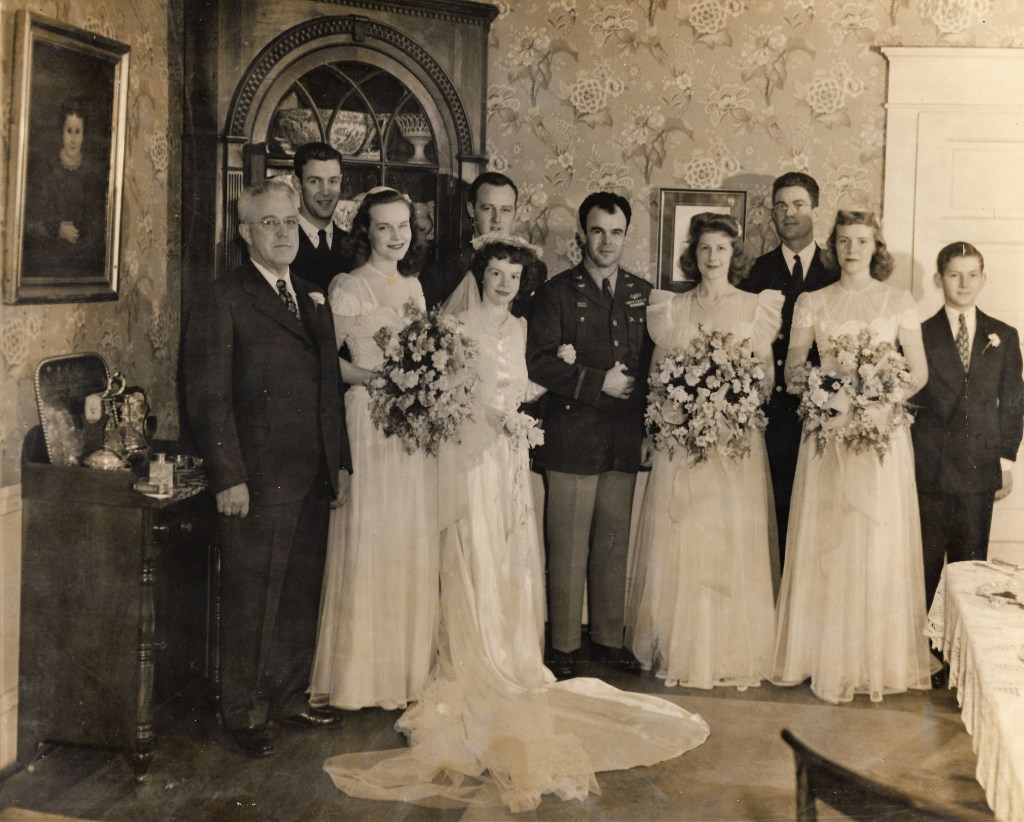
After their honeymoon, the couple moved to Aloe Army Airfield in Victoria, Texas. Shortly afterwards, the war ended and Billy got out of the military. Over the next year, Billy and Mary bounced a bit between Wilmington and Chapel Hill. While in Chapel Hill, Billy took some classes in business law. In the summer of 1946 they moved to Wilmington on a more permanent basis. For sometime, the young couple lived in a garage apartment behind the elder Broadfoot’s home on Forest Hills Dr. In December of 1949 they moved to a most unique cypress log home at 541 Wayne Dr. where they lived for the next 37 years.
Daughter Mary’s version of the housel – “Our house was a log house, very unique and no other house like it in Wilmington. People knew where I lived when I said the log house. That embarrassed me because I thought it meant we were poor. We had oriental rugs instead of carpet so that also meant we were poor. And none of our furniture matched and it was old furniture (called antiques) so that meant we were poor. It was built so that all main rooms on the first floor looked out onto the back yard. Only one bedroom/bathroom and the kitchen had no view of the back yard. We had a room and ¾ bathroom over the garage that was later used as a bedroom. The main house had a utility/laundry room, kitchen, breakfast room, dining room, half bathroom, front hall, den, sunken living room, back hall with 3 bedrooms and the master bedroom/bathroom/dressing room at the end of the hall. Two of the bedrooms had 2 closets and the two bedrooms on the left had a shared bathroom between them. My dad said he wanted a lot of bathrooms. There was a screened porch off the living room. The property had a large back yard with a creek running along the back and a stream through the yard. Daddy later put in a small pond. All rooms except the kitchen and breakfast had hardwood floors. The back hall did not have a rug, so it was thrilling to close all the doors, cut off the lights, and wearing my socks, I’d go running and sliding down the hall. Bet my Dad did not think about that when designing the house.”
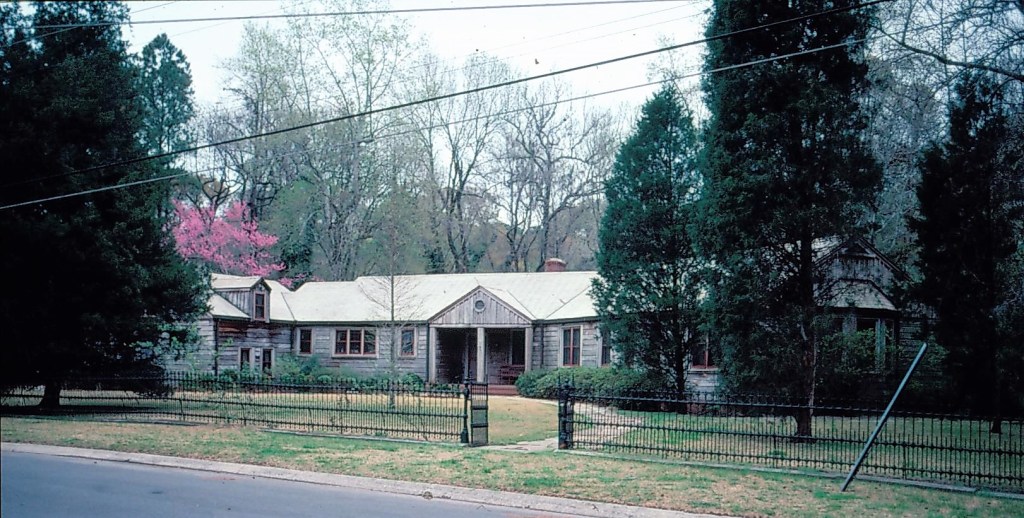
Front of 541 Wayne Dr. in Wilmington, NC 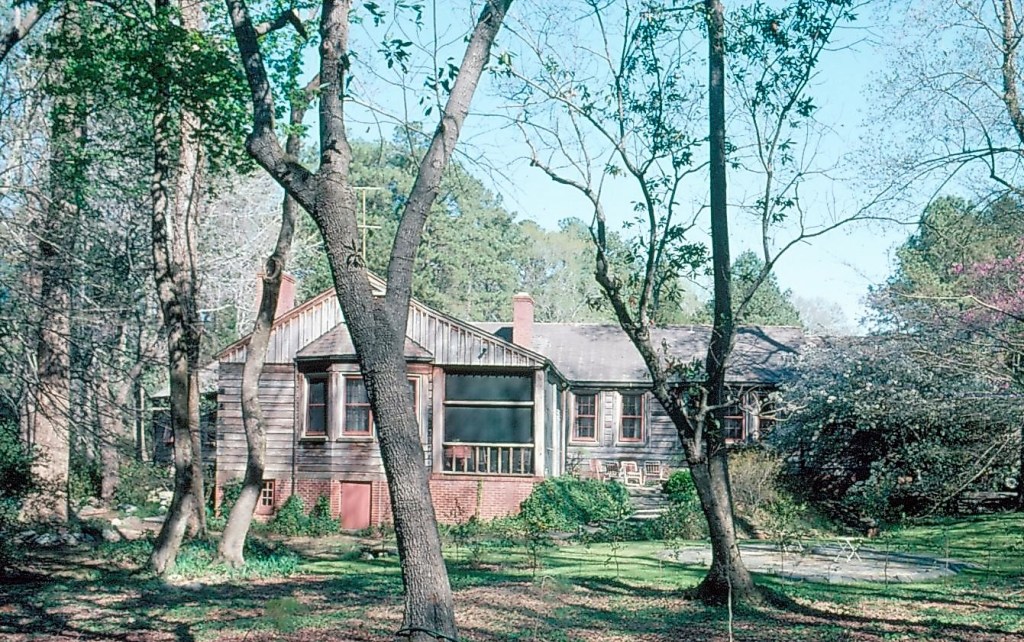
Side view of 541 Wayne Dr.
In the summers, the family stayed in their Wrightsville Beach home, 213 S. Lumina Avenue at Wrightsville Beach. Later, Billy and Mary moved to the beach year-round. Mary recalls the aftermath of Hurricane Hazel (1954)
“Hazel was the big one and the only one that really stands out. I remember the calm during the eye and how we walked out to survey the damage in our yard. Initially no one was allowed back on Wrightsville Beach. When we did go, there was a long line of cars waiting to cross the bridge. We had to prove residency before we were allowed on the beach. I remember houses that had stood on our street – gone. Cars buried under the sand. The side of our house with the bedrooms was damaged but we still had a house. Then there was the cleanup in our yard, and we all pitched in to help. I think a family whose home was either lost or badly damaged stayed with us for a while, but I can’t remember who they were. With every hurricane, there was the yard cleanup. I can remember school being cancelled when the warning came for a hurricane.”
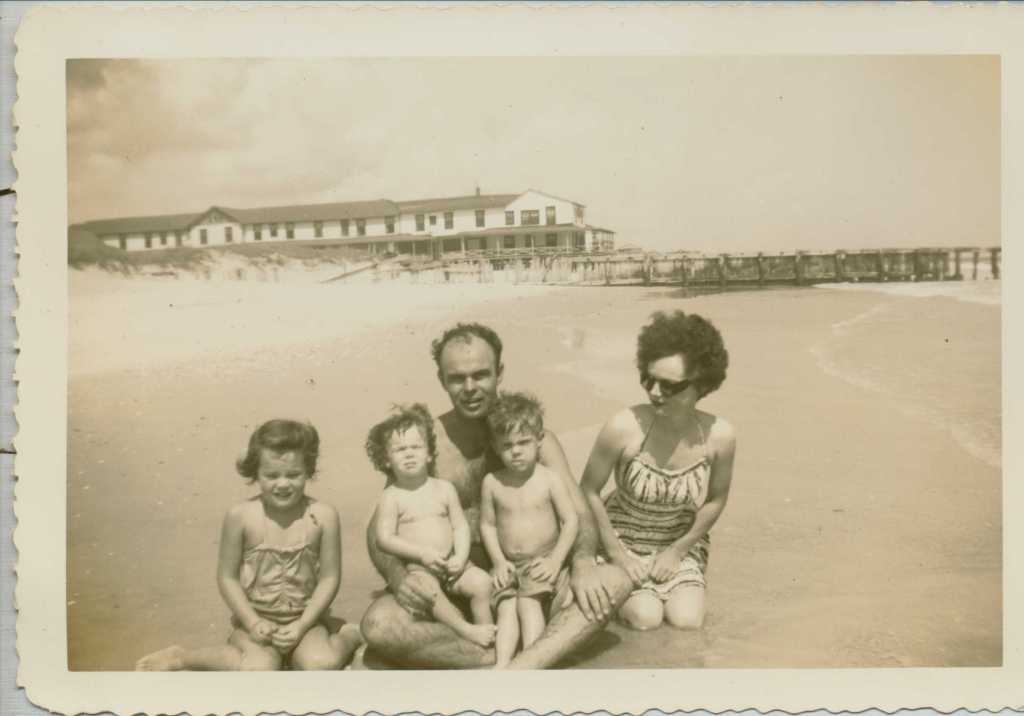
Mary, Bobby, and Billy with parents Billy and Mary on Wrightsville Beach 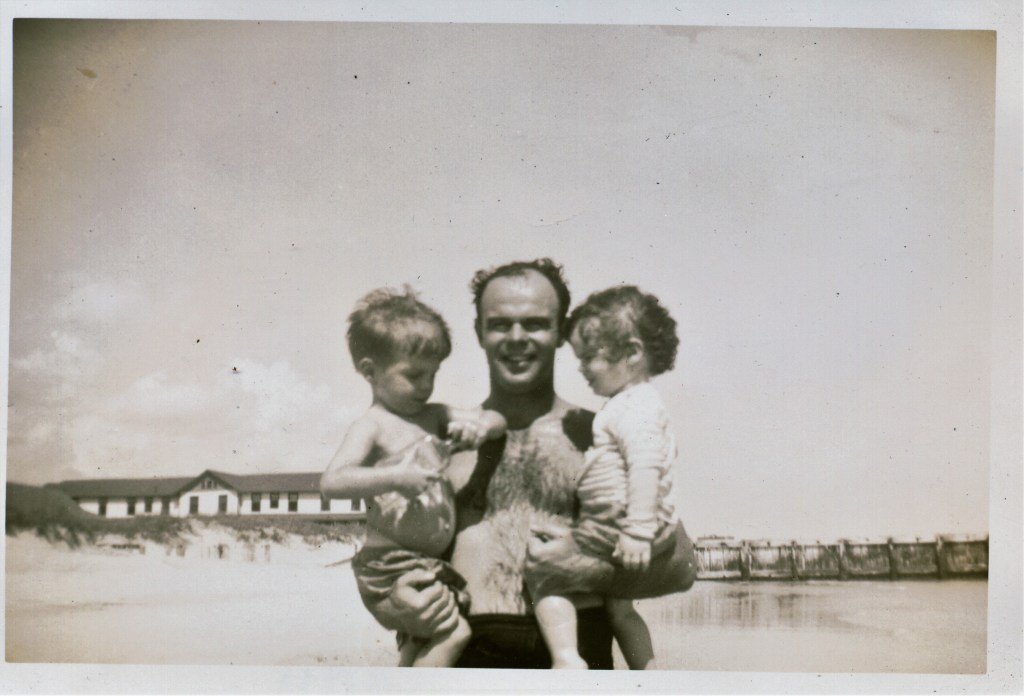
Billy with his sons, Billy and Bobby 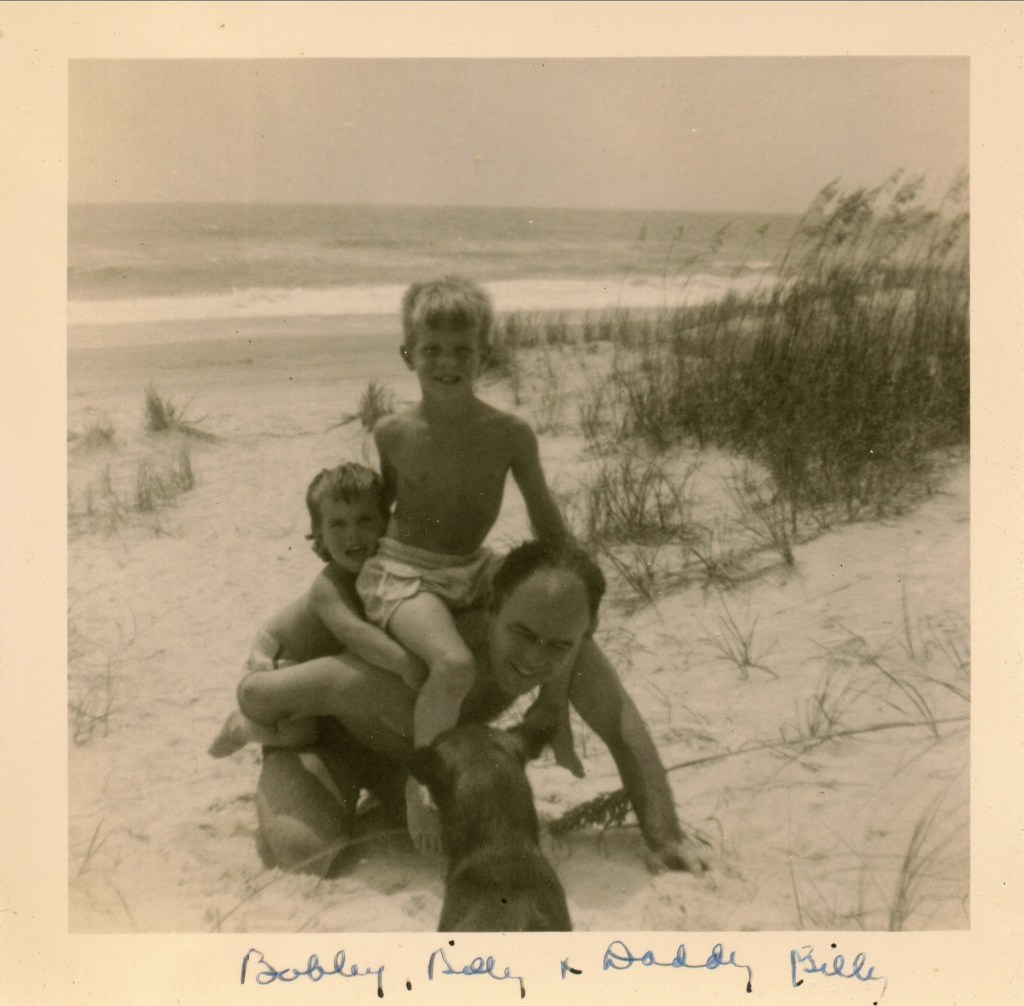
Bobby, Billy on Daddy Billy 
213 South Lumina Wrightsville Beach, NC 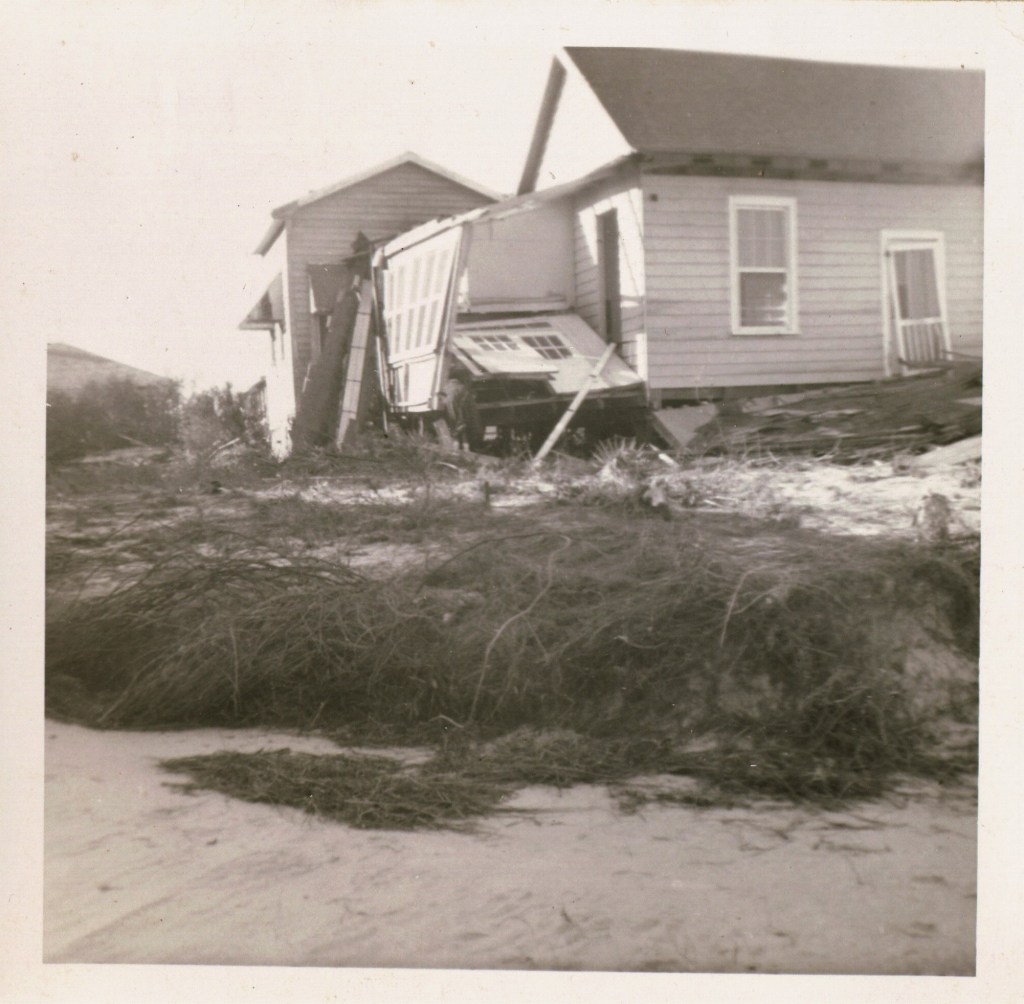
213 South Lumina after Hurricane Hazel
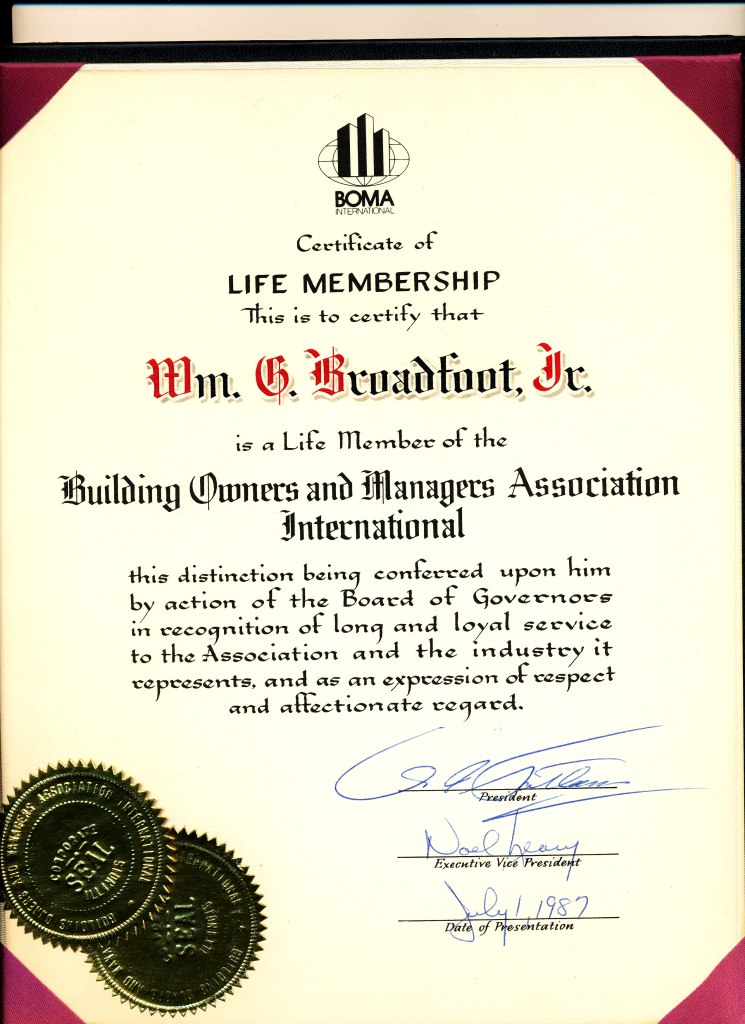
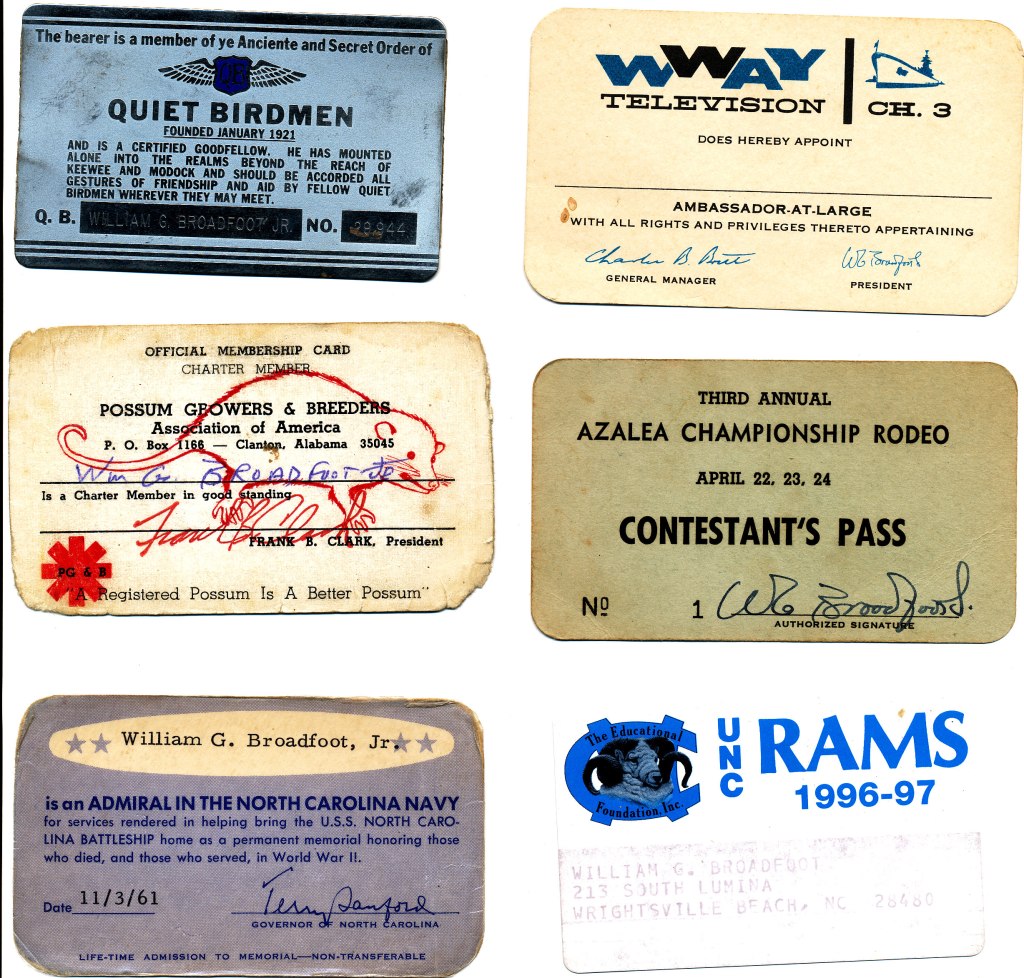
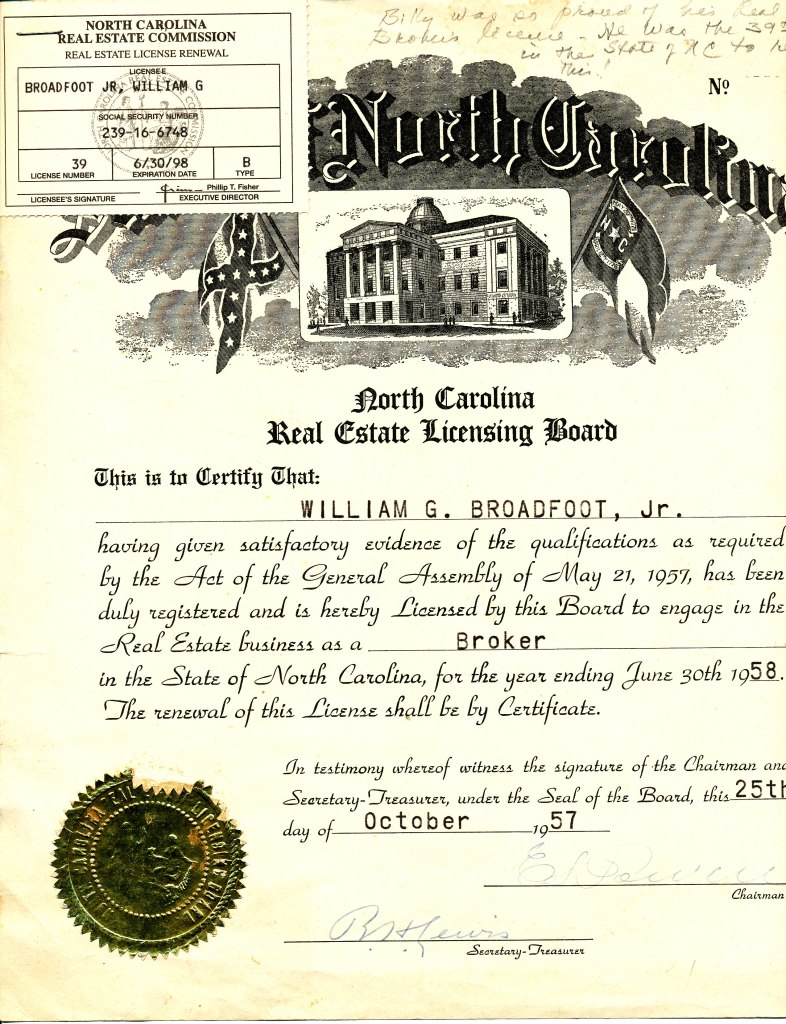
On April 8, 1947, Billy started his business, Building Management, Inc., a North Carolina branch of Builders Owners and Managers. He earned his North Carolina Brokers License in 1958. In 1987, he was honored as a lifetime member of the Building Owners and Managers Association. He also dabbled in several other businesses including bringing ABC television (station WWAY) to Wilmington; and was a partner in the creation of The Bowling Center, Wilmington’s first bowling center.
Billy and Mary welcomed four children into their lives: William Gillies III – 1946, Mary – 1947, Robert (Bobby) – 1951, and Frances – 1952. The couple celebrated their 50th wedding anniversary, surrounded by their children, on April 1, 1995.

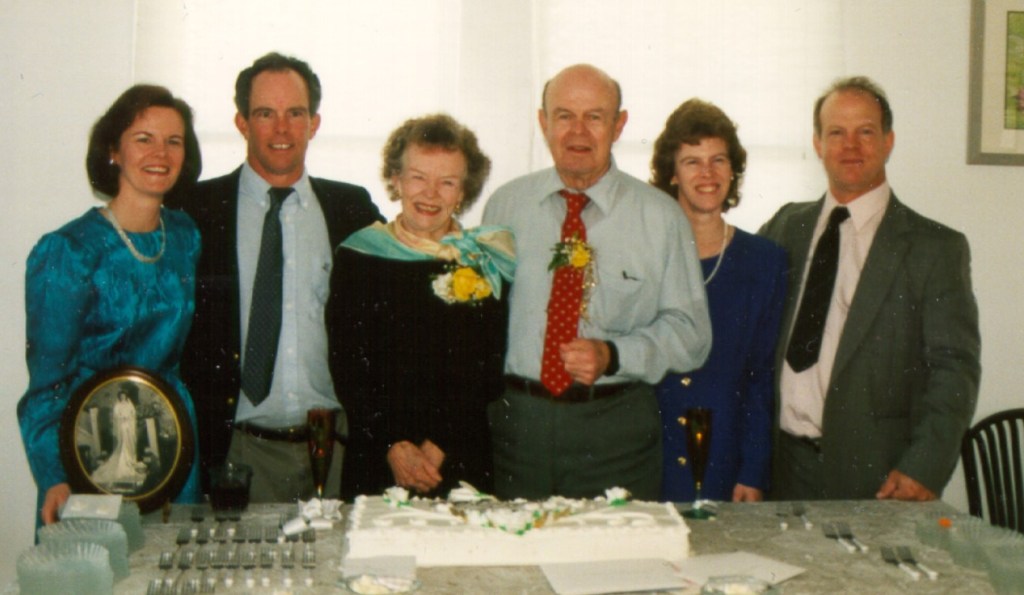
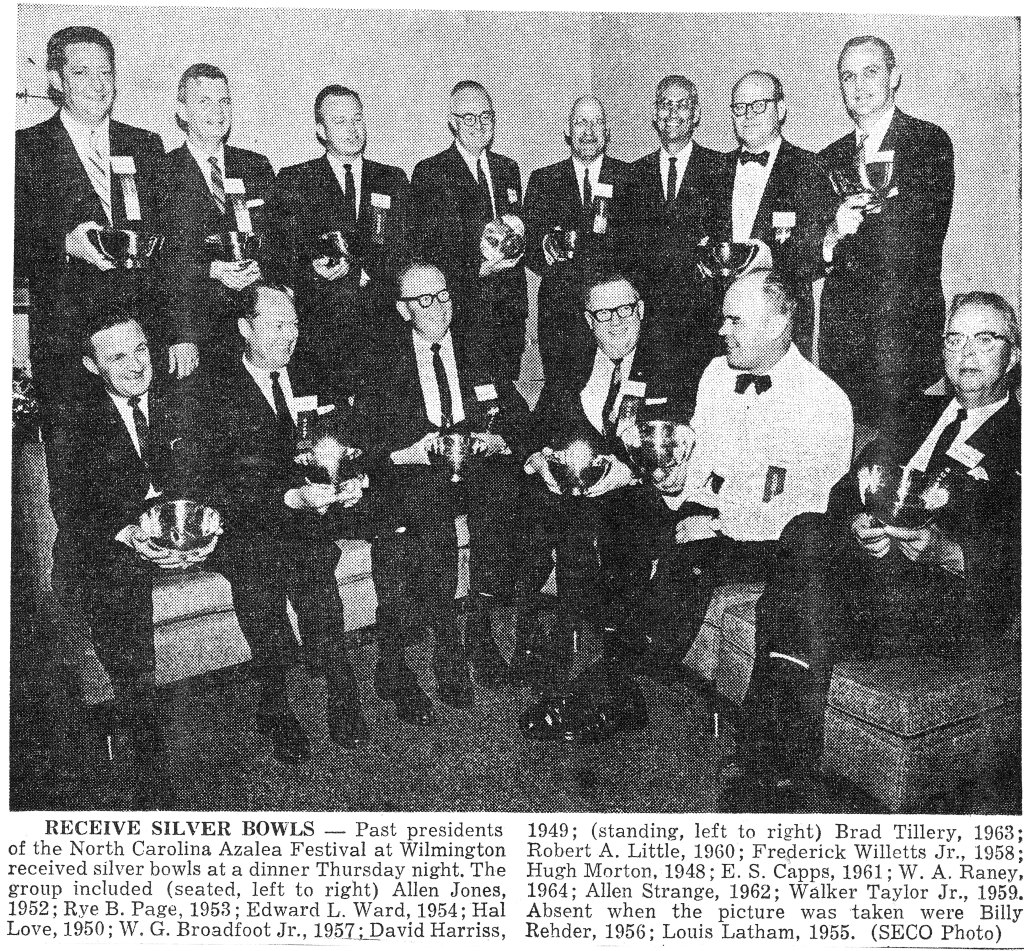
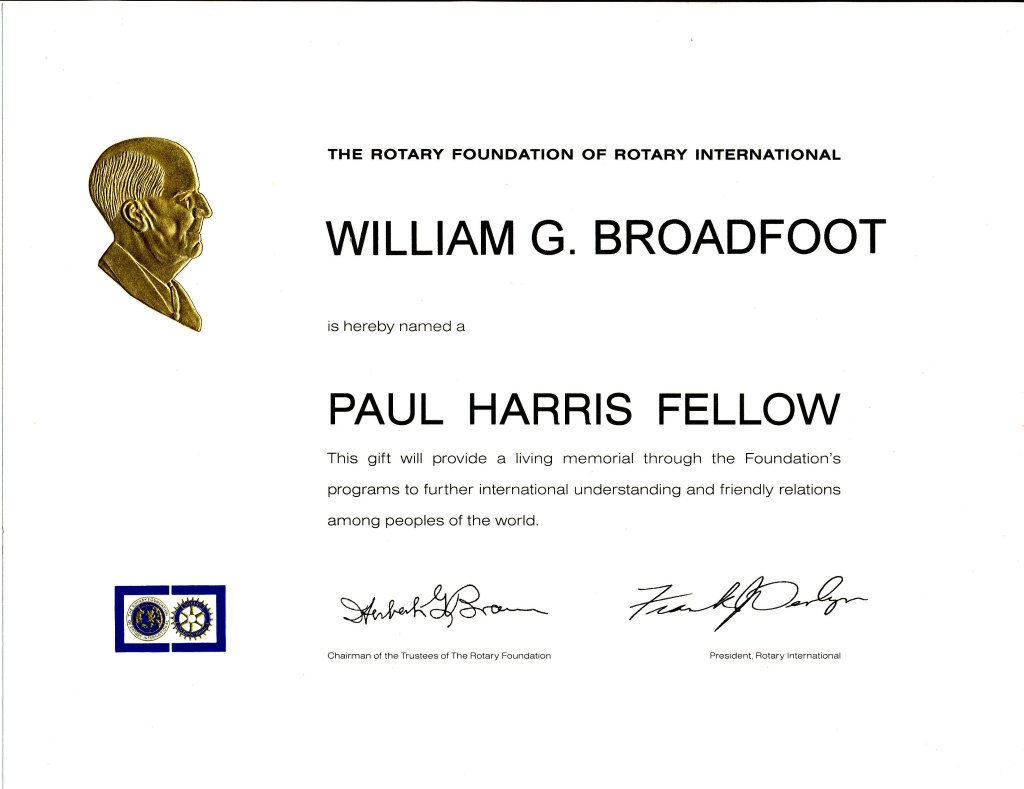
Throughout his life, Billy was active community member. Based on his obituary, his volunteer activities include past president of the Wilmington Jaycees, the Chamber of Commerce, the Community Chest (United Fund), President of the Azalea Festival (1957), and was a recipient of the Jaycee and Civitan Man of the Year Award. He was treasurer and financial consultant of the North Carolina PTA for more than 30 years, and recipient of the Honorary Life Vice-President Award from the North Carolina PTA. He served as an active member of the Wilmington Rotary Club since 1947. In late 2000, he was posthumously honored by the Rotary Foundation of Rotary International with the Paul Harris Fellow lifetime award. Billy was also a lifelong member of St. James Episcopal Church.
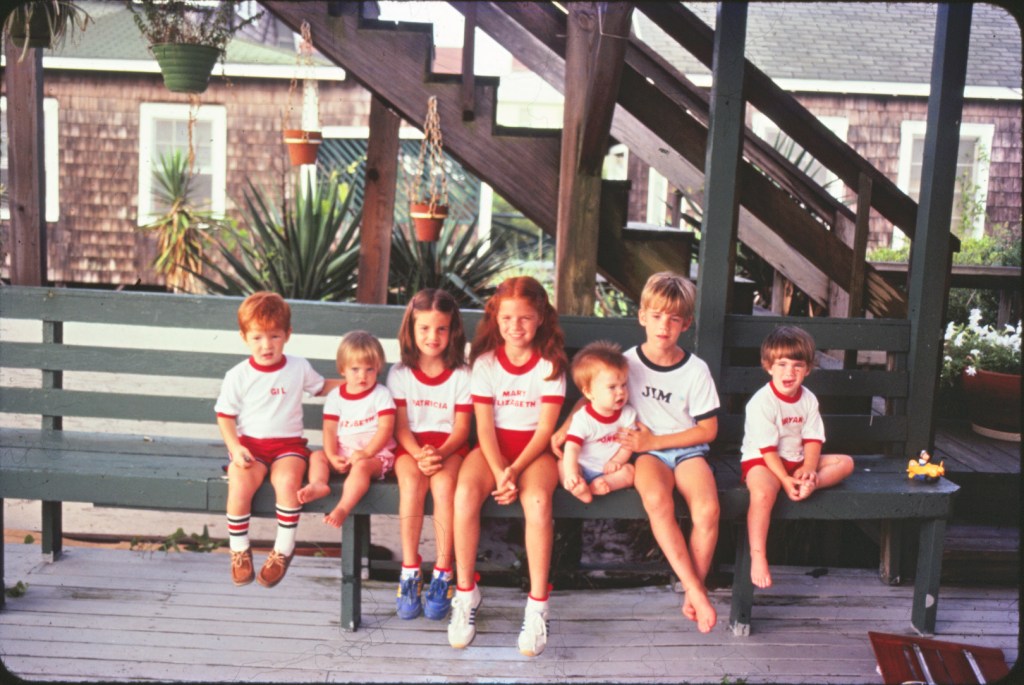
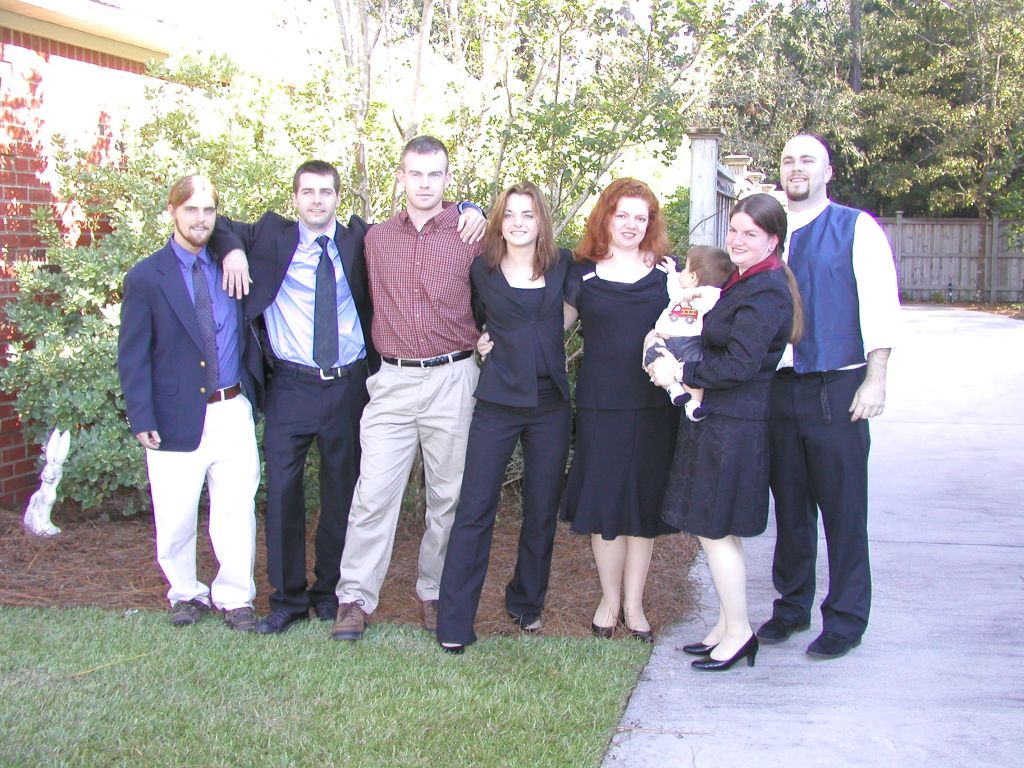
Billy and Mary’s four children combined gave the couple 12 grandchildren. Here are a few of the brood.
OLYMPUS DIGITAL CAMERA 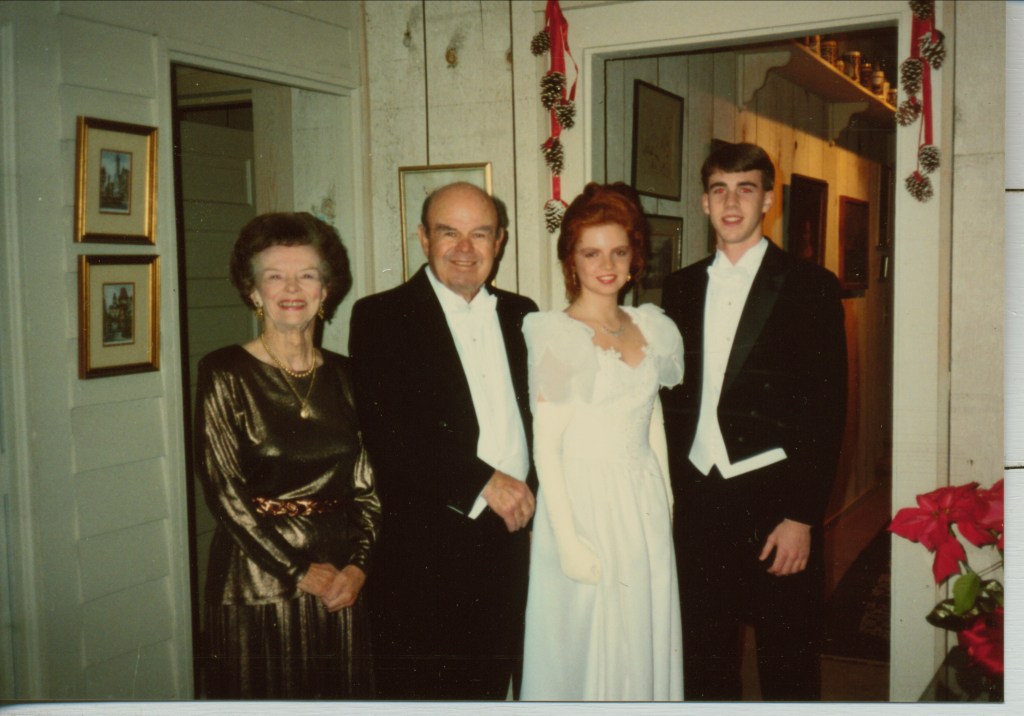
He passed away from esophageal cancer at the age of 82 on June 21, 2000.


Socially Billy and Mary were regularly active. Daughter Frances added, “My parent’s closest friends were Pete and Betsy Fensel, Henry and Alice von Oesen, Fred and Helen Willetts, Dr. and Mrs. Ed Wells (Lou was the wife)) and in the much earlier days, the Echols. They really did have a big social life – and a LOT of friends – but these were the closest. My dad had his hunting buddies – but they were not always the same people with whom they socialized/partied (except the Willetts and Fensels). Oh – also the Lumbs. Once a year they had a party with the Lumbs at our house and it was cold the “Guy Fawkes party” on Guy Fawkes day. Since the Lumbs were English and from England, this was something they celebrated in England and brought to my parents. They actually created Guy in sheets stuffed with newspaper and had him on a pole!” and Frances added some of Billy’s favorite sayings included, “Get your education because that is something that no one can ever take away”. “Don’t pick up your fork until the hostess starts eating”.
Pets
Frances added “OH – AND HOW CAN I FORGET PIGUMS??? One year – back in the early 60’s, my dad was given a pig for his birthday as a joke. He was name “Pigums”. We built a pen for pigums and he was one of our pets. Mary came home from school one day in the early fall and could not find pigums. No one could tell Mary what happened to Pigums. She was really upset. That night (or shortly thereafter) we had pork for dinner. Mary refused to eat her dinner because she knew it was Pigums. I remember the expression on my dad’s face……and I knew it was Pigums too!!!”
Mary wrote, usually we had a Black Lab or Weimaraner (had to be a good hunting dog). Star, Barky (I named that dog because dogs bark), Blackie (probably because he was black). Susie was a dog I had later (Got that dog in HS because I hit and killed a dog while driving home from a friend’s house, and the lady who owned the dog wanted me to get her another dog. When I showed up with a puppy, she said she did not want a puppy and that is how I ended up with a puppy that I did not want. After I went off to college, Mama got the puppy – now a dog and she and Susie got along very well) Teak Hi (not sure about that spelling) was a Golden Retriever that Mama and Daddy had later, their last dog. Any stories you remember about them? One of the dogs (I think it was Barky) would try to rescue us every time we went swimming. He would swim out and wait for me to hold his collar and he would pull me to shore (safety). I think this was also the dog that got hit by a car and got himself to the vet (the vet found him on his front steps).
Mary on travel:
Black Mountain, Wrightsville Beach, New Bern, Fayetteville, Wendell, Buena Vista, etc. Although I know we spent some summers in Black Mountain, I only remember one time and that memory is not good which may be why it is all I remember. I was walking to the mailbox with Mama and decided to take a short cut through the brush (to cut off the curve of the driveway) and I stepped on a nest of hornets. I stood there screaming and trying to fight them off and Mama yelled for me to run. She took me to the neighbors (a poor mountain family whom we knew) and the lady doctored me with some homemade remedy. I was stung all over my arms and legs. Wrightsville Beach was where we spent every summer and a kid could not ask for a better life (I just did not know it or appreciate it at the time). There was always something to do and someone to play with. Cousin Betty was across the street and for one month every summer, Trudy Pomerantz was next door. We had the ocean out the front door and the sound out Betty’s front door. There always seemed to be an adult who would watch us go swimming. Almost everyone had a motor boat and/or a sailboat. Trudy’s family taught me how to water ski (2 skis, I never learned how to slalom). We had the Yacht Club in one direction and Newell’s in the other to buy our snacks. The movie theater (Crest) was just past Newells. We could not take our bikes to the beach because they would rust. For many years, the street was not paved and it was and still is a one-way street, so not much traffic. The Catholic Church was next door and at one time the lower level was open and it was a great place to play hide and seek. We played ball games by throwing the ball against the Marshall’s house (next door to Betty, I bet they loved that!) or card games in bad weather. We ran bare foot all the time and our feet were so tough that we could walk on the hot pavement or sand. I was about 10 years old (this is a guess) when Betty and I went swimming and I got caught in the undertow. Betty was able to reach shore and ran back to her house screaming for help and all the while I was screaming help and “Don’t leave me!”. Our neighbor Herbert Bluethenthal heard Betty and came out to rescue me. In the meantime, Betty’s maid, Daisy, called Daddy at work (downtown Wilmington) to tell him “I was drowning” and he called the Rescue Squad. After much effort Mr. Bluethenthal got me to safety after two attempts. He got me to shore and then I was swept back out. After a bit of a struggle, he was also able to get back to shore. The Rescue Squad arrived and checked me out, Daddy got home next and then Mama. They tried to get me to throw up the salt water I had swallowed and then I was put to bed. To this day it still remains a very emotional event in my life and it is difficult to talk about. While at the beach during the summer, I missed my Wilmington friends. I could not call them because it would be a long-distance call. So each summer I had a party and invited my Wilmington friends down for the day.
Frances describes of her dad, Billy:
“My dad – William G Broadfoot, Jr., was a very intelligent man and what I considered highly successful in his business. He was such a good provider, giving us a beautiful home, a place at the beach and later a place in the mountains. He had an incredible sense of humor. My friends who knew him always wished that he was their dad – because they always saw that funny side of him. So – the best adjectives would be – great provider, funny and intelligent. However, when my dad was unhappy or disappointed, he had a way of letting us know that changed the behavior. Getting back to smoking, when I again decided I wanted to give it a try, we were at the Surf Club and I was sitting with my parent’s friends and decided to light a cigarette. After all, at that time, that was what all of the adults did! I wanted to be a “grown up” too. My dad saw me, and said to his friends, “wow – doesn’t she look tough! Look at her smoking – she looks so grown up and tough, doesn’t she?” I could not wait to put that cigarette out!!! I never lit up another cigarette in front of him and that was near the end of the smoking era!
All my friends loved my dad. Children of his friends called him “Uncle Billy” not “Mr. Broadfoot”.”
Mary’s thoughts on Billy
Daddy: He was very outgoing, the life of the party and always had something to say that would make others laugh. He loved his country and the men who fought with him in WWII. He loved things from his past: Camp Carolina, Phillips Exeter Academy, UNC-CH. He loved to tell stories. He could embarrass me in a heartbeat. He kept up with everything young people were doing and I could get by with nothing. He expected others to work hard. I got nothing for “free”. It took me about a month working odd jobs to earn enough money to buy a pocket book that I wanted so badly (it was in the local gift shop at the beach) After a hurricane or bad storm, it was child labor (as in his children) who cleaned up the yard. It was any and all children who gathered buckets of shells from the beach to be used to build the berm in front of the beach cottage. We were paid by the bucket (I think it was a nickel). He loved hunting and one time the girls were allowed to go. He brought the birds home for the kids to pluck. And when he arrived home, he had a rough stubble on his face and would chase me until he caught me and rubbed that stubble on my cheek. Oh, how I hated that. Daddy loved to play jokes. We were in church and as usual I had taken off my shoes. When I was not looking, he hid one. When I could not find the shoe later after trying to look and not draw attention to myself, he pulled out my shoe grinning and trying to muffle a laugh. Daddy understand about my broad feet and how awful it was to find shoes for my feet. Like so many young girls, I took ballet dancing. The year I was required to wear toe shoes in the recital, I felt trapped knowing that I would never be able to do dance in those shoes. When Mama went away on one of her many trips, I explained to Daddy my problem and he pulled me out of dance. I have the letter he wrote Mama explaining to her why he did that. Since no one in the family was allowed to be a quitter, that decision was highly unusual. I was embarrassed that we owned a hearse, a vehicle Daddy used for hunting, I did not want to be caught dead (no pun intended) in that thing. He and some of friends started a bowling center and I loved to bowl and to be a part of the girls’ team (and to travel with the boys’ team). He bought me my own bowling shoes and ball but I had to pay for my own games (nothing free). When in high school and later home from college, I wanted to get a job and Daddy said I was responsible for my own transportation to and from work. He was not going to be driving me. So I got a job at the Blockage Runner Hotel just down the street from our beach cottage. He would also spoil me. Once when Mama took me shopping for a new dress, we brought several home on approval and Daddy told me I could have them all. He knew I wanted my own sail boat so he bought me a Sunfish. I had to prove to him that “all” the girls wore stockings before he would allow me to wear stockings to school. He knew more about the boys I dated than I did. That made me mad when I found out! He took me to college (Centenary College in Hackettstown, NJ) but first we stopped in NYC. There we shopped for some new clothes: mini skirts and a warm winter coat. There was dinner at the Playboy club (to educate me, I guess). He wanted me to get into NYC while I was in school to “get the hayseed out of me”. When I was failing biology, he made a trip to Centenary and met with the Dean and probably my instructor and told them he did not care if I knew which end of the worm the anus was on, he wanted me to be going to plays in New York City to get the hayseed out of me. How embarrassing. I passed biology. He came to Parents Weekend and we won the father-daughter look alike contest! He also won the craziest tie. Daddy was fun, embarrassing, tough, kind, loving, respected and I was his girl. {He sayings included} “You are a great big gummy mess.” “Toot! Toot” (That meant everything is OK.)
 Broadfoot Family
“Terrific,” as Uncle Billy would say………..Great memories and thanks to great cousins and my first cousin once removed, Amy….
LikeLike
What fascinating reading. I am a decendant of the Broadfoots. My 6x great grandparents were Grizel Stewart and David Broadfoot of Cutcloy Farm in Isle of Whithorn. I am visiting my daughter who has lived in Virginia for over 20 years now. I have been researching my family history for some time now. The information I have found since coming to Virginia has been amazing. Thank you so much. I have loved reading all this information about my ancestors.
LikeLike